
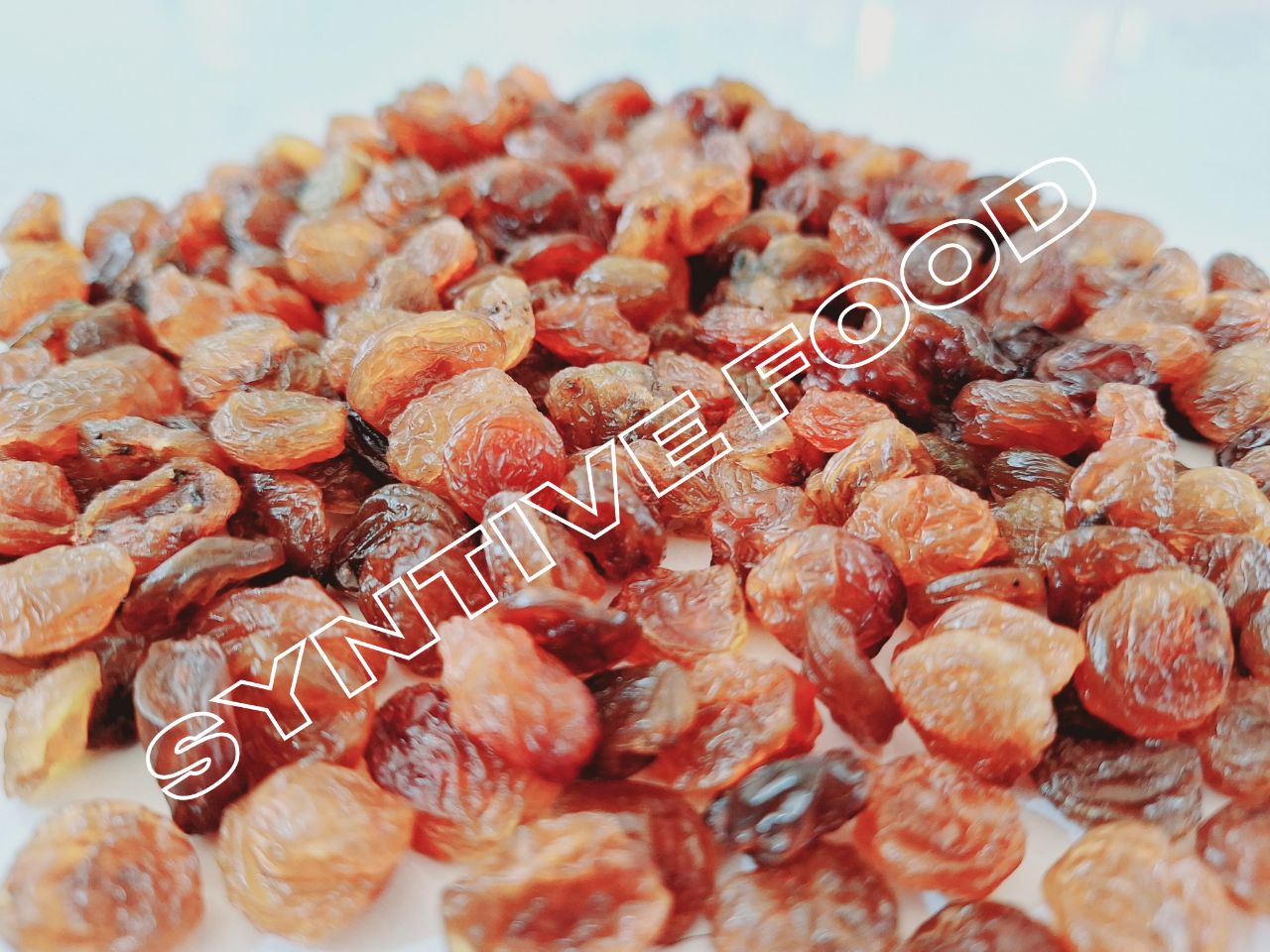
Raisins: Nature’s Sweet and Nutrient-Packed Treats
Raisins, those little dried fruits often have a sweet and chewy charm that makes them a favorite snack for people of all ages. These diminutive dried grapes offer not only delightful flavor but also a wealth of nutrients. In this paasage, we’ll delve into the world of raisins, exploring their origins, varieties, health benefits, culinary uses, and more.
Origins and Varieties
Raisins have a long and illustrious history that dates back thousands of years. They are essentially dried grapes and have been part of the human diet since ancient times. Raisins are believed to have originated in the Middle East, particularly in the region now known as Iran. In fact, the word “raisin” is derived from the Latin word “racemus,” which means “a cluster of grapes.” Raisins have been mentioned in historical texts and were even found in the tombs of ancient Egyptians.
Raisins can be made from various grape varieties, each imparting its unique flavor and characteristics to the dried fruit. Some of the popular grape varieties used for making raisins include Thompson Seedless (the most common), Sultana, Muscat, and Flame Seedless. The difference in grape variety, climate, and the drying process can result in variations in flavor, size, and color of raisins.
Rasins Types:
Light Seedless Raisins: Light Seedless Raisins are the translucent gems among raisins. They are celebrated for their pale color, almost like a radiant amber. This variety is cherished for its mild, sweet flavor, which complements their visually appealing appearance. These raisins are a popular choice for dishes where their bright color can shine. Light Seedless Raisins are often selected to add a touch of elegance and natural sweetness to fruit salads, desserts, and other culinary creations.
Dark Seedless Raisins: In contrast, Dark Seedless Raisins present a deeper and more intense flavor profile. Their darker color, ranging from rich brown to deep purple, is indicative of their bold and robust taste. These raisins are particularly favored in baked goods like bread, cakes, and cookies, where they not only add natural sweetness but also provide a delightful texture. The intensity of flavor in Dark Seedless Raisins makes them a prized ingredient for recipes where the raisins play a central role in enhancing the overall taste and experience.
Seedless Raisins, whether light or dark, are renowned for their versatility in cooking and baking. They can be incorporated into a wide range of recipes to add natural sweetness, texture, and the unique characteristics of their specific variety. Whether you seek to accentuate the visual appeal of your dishes with the radiant Light Seedless Raisins or infuse bold flavor and richness with the Dark Seedless Raisins, these raisin varieties are a delightful addition to your culinary toolkit. They offer a spectrum of options to enhance the flavors and appearance of various dishes, catering to the diverse preferences of chefs and home cooks alike.
Date Raisins:
Date Raisins, a delectable combination of sweet dates and crunchy nuts, offer a guilt-free indulgence that’s not only delicious but also nutritious. These delightful treats are a testament to the natural goodness of dates, renowned for their rich flavor and abundant nutrients. Mixed with various nuts and often enhanced with subtle flavorings, Date Raisins provide a unique blend of textures and tastes that tantalize the palate. Whether enjoyed as a quick and convenient on-the-go snack, integrated into dessert recipes, or used in creative culinary presentations, Date Raisins are a wholesome and versatile choice. With their natural sweetness and delightful crunch, they make for a delightful treat that satisfies both the sweet tooth and the desire for a nourishing snack.
Golden Raisins: Golden Raisins, often produced in the region of Iran, are celebrated for their distinctive characteristics. These raisins boast a golden-yellow hue, similar to the more common Golden Raisins. However, their flavor profile is a little different due to the grape variety and regional influences. Golden Raisins strike a delightful balance between sweetness and tartness, making them a popular choice for snacking and culinary applications. The vibrant color and complex flavor of these raisins make them a prized addition to various dishes.
Green Raisins: Green Raisins, sometimes offer a refreshing twist on the traditional raisin. Made from green grapes, they maintain their vibrant green color, creating a visually striking presence in both dishes and snacks. The flavor of Green Raisins is distinct as well, with a slightly tangy and invigorating taste that sets them apart from their sweeter brown counterparts. Their unique flavor profile makes them an excellent choice for pairing with other fruits and nuts in a refreshing fruit salad. Green Raisins are often enjoyed as a delightful and refreshing snack, providing a tantalizing burst of flavor.
Both Golden Raisins and Green Raisins showcase the diversity and versatility of raisin varieties, offering a range of flavor options that cater to different tastes and culinary preferences. Whether you’re seeking a balance of sweetness and tartness in Golden Raisins or the vibrant and tangy notes of Green Raisins, these unique raisin varieties can add a distinct twist to your snacking and culinary experiences.
Production Method: The distinguishing feature of Sun-Dried Raisins is the method by which they are produced. While many raisins are dried using modern techniques involving ovens or dehydrators, Sun-Dried Raisins harken back to a more time-honored tradition. The grapes, typically of various varieties, are spread out under the sun to dry naturally. This process harnesses the sun’s warmth and energy to gently and gradually dehydrate the grapes. It’s a method cherished for its purity and simplicity.
Flavor and Texture: The sun-drying method imparts Sun-Dried Raisins with a unique texture and flavor profile. These raisins may be a bit firmer compared to other varieties, which can be attributed to the natural drying process. The slower drying process allows for the raisins to retain more of the grape’s original texture. As a result, they offer a slightly different mouthfeel than raisins dried using faster, modern techniques. Moreover, Sun-Dried Raisins tend to have a deeper grape flavor, a testament to the natural and gentle sun-drying process that allows the essence of the grape to shine through. Sun-Dried Raisins are often celebrated by those who appreciate the natural and traditional aspects of raisin production. The method’s simplicity and reliance on the sun’s energy to transform grapes into raisins offer an authentic experience that harks back to ancient times. These raisins are a delightful choice for those seeking a more rustic and genuine raisin-eating experience, where the grapes’ inherent qualities are lovingly preserved through the art of sun drying.
Syntivefood Raisin Selection:
At Syntivefood we take pride in offering a diverse selection of raisins, including Golden Raisins, seedless Raisins, Golden Raisins, Green Raisins, and Sun-Dried Raisins. We are committed to delivering premium-quality raisins that cater to a variety of tastes and culinary preferences. Our raisins are sourced from the finest grape varieties and processed with care to ensure their natural sweetness and nutritional value are preserved.
Nutritional Value
Raisins are a nutritional powerhouse, despite their small size. They are naturally high in sugar due to the drying process but also provide several essential nutrients and health benefits.
- Energy: Raisins are energy-dense and are an excellent source of natural sugars, mainly glucose and fructose, which provide a quick energy boost.
- Fiber: They are rich in dietary fiber, which supports digestive health and helps prevent constipation.
- Antioxidants: Raisins contain a variety of antioxidants, including resveratrol and quercetin, which may help protect cells from damage caused by free radicals.
- Vitamins: They are a good source of B vitamins, including B1 (thiamine), B2 (riboflavin), and B3 (niacin). These vitamins play crucial roles in metabolism and energy production.
- Minerals: Raisins are a rich source of potassium, which is essential for heart health, and iron, vital for maintaining healthy blood and preventing anemia.
- Phytonutrients: These dried fruits contain natural compounds that can promote overall health, such as polyphenols, which have anti-inflammatory and anti-cancer properties.
Health Benefits
Raisins offer a range of health benefits:
- Digestive Health: The dietary fiber in raisins aids in digestion and helps prevent constipation. It promotes regular bowel movements and supports a healthy gut.
- Heart Health: The potassium content in raisins can help regulate blood pressure, reducing the risk of hypertension and heart disease.
- Bone Health: Raisins are a source of calcium and boron, both of which contribute to healthy bones and may reduce the risk of osteoporosis.
- Antioxidant Protection: The antioxidants in raisins may help protect cells from damage and reduce the risk of chronic diseases.
- Natural Sweetener: Raisins can be used as a natural sweetener in various recipes, reducing the need for processed sugars.
Culinary Uses
Raisins are incredibly versatile and can be used in a wide range of culinary applications. Here are some popular ways to incorporate them into your meals and snacks:
- Baking: Raisins are a classic addition to many baked goods, such as cookies, muffins, bread, and granola bars. Their natural sweetness adds flavor and moisture to recipes.
- Cereals: They make a delicious and nutritious addition to breakfast cereals, oatmeal, and muesli.
- Trail Mix: Raisins are a staple in trail mix, along with nuts, seeds, and other dried fruits. This portable snack is perfect for hikes and outdoor adventures.
- Salads: Raisins can add a sweet and chewy element to salads, balancing out the flavors of vegetables and dressings.
- Curries and Rice Dishes: They are often used in Indian and Middle Eastern cuisine to add sweetness and texture to savory dishes.
- Snacking: Of course, they are perfect for snacking on their own, offering a natural, guilt-free sweetness.
Raisins and Health Myths
While raisins offer numerous health benefits, it’s important to address some common misconceptions:
- Raisins Cause Tooth Decay: While raisins are high in natural sugars, they don’t promote tooth decay when consumed in moderation and followed by proper oral hygiene.
- Raisins Are Fattening: Raisins are calorie-dense due to their sugar content, but they can be a healthy part of your diet when enjoyed in appropriate serving sizes.
- Raisins Can Raise Blood Sugar: Although they are naturally sweet, raisins have a low glycemic index, which means they have a relatively minor impact on blood sugar levels.
- Raisins Are Less Nutritious Than Fresh Grapes: Raisins may be smaller, but they are more concentrated in nutrients and antioxidants compared to fresh grapes.
Choosing and Storing Raisins
When selecting raisins, look for ones that are plump, shiny, and free from any signs of spoilage. You can find them in various forms, such as golden raisins, sultanas, or regular dark raisins, so choose the type that suits your taste and recipe.Proper storage is essential to keep raisins fresh. Store them in an airtight container in a cool, dry place. If stored correctly, they can last for several months without losing their quality.
Raisins are more than just a tasty snack; they are a nutrient-packed superfood that can be enjoyed in various ways. With their rich history, diverse varieties, and numerous health benefits, raisins are a valuable addition to your diet and culinary repertoire. Whether you eat them straight from the box, sprinkle them over your morning cereal, or incorporate them into your favorite recipes, raisins are a delightful and healthy choice. So go ahead, savor the sweet and chewy goodness of raisins and relish the many benefits they offer.
No comment