
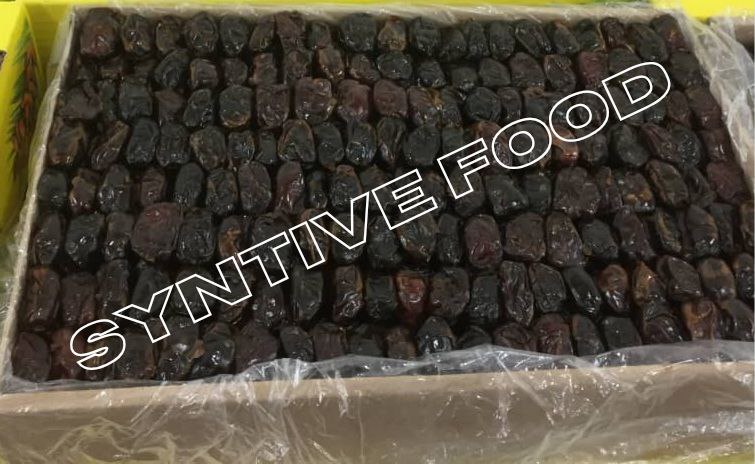
The Bounty of Middle Eastern Dates
The Middle East can proudly lay claim to a vast array of date palm cultivars, each possessing its own distinctive attributes. Let’s embark on a sensory exploration of some of the most significant Middle Eastern date varieties:
Piarom Date:
Often heralded as the “Caviar of Dates,” the Piarom date stands as a premium offering, celebrated for its elongated shape and exquisite flavor. These dates, ranging in color from dark brown to black, are coveted for their richness and have been affectionately dubbed the “chocolate date.”
Sayer Date:
Sayer dates are of medium size and possess a semi-dried texture. They are prized for their sweet, almost caramel-like flavor, frequently savored as a standalone snack or included in various Middle Eastern desserts.
Mazafati Date:
Hailing from the southern province of Hormozgan, Mazafati dates are renowned for their soft, dark brown to black flesh and their rich, molasses-like taste. They often find their way into the creation of date-based confections and sweets.
Zahedi Date:
Zahedi dates, easily recognized by their oval shape and vibrant yellow hue, offer a mild, sweet flavor and a semi-dried texture, rendering them suitable for both culinary endeavors and snacking.
Kabkab Date:
Characterized by their medium size, soft texture, and amber color, Kabkab dates are beloved for their gentle, caramel essence. They commonly grace the recipes of date-based dishes.
Rotab Date:
Sometimes referred to as “wet dates,” Rotab dates are the freshest iteration, untouched by the drying process. With a high moisture content, they are typically enjoyed in their natural, plump state.
Rabbi Date:
Semi-dried Rabbi dates exhibit a soft texture, rendering them sweet and versatile. Ideal for both snacking and culinary applications, they feature prominently in Middle Eastern cuisine.
Kalooteh Date:
Kalooteh dates, small and round, offer a semi-dried texture, notable for their intense sweetness. They frequently play a role in the creation of traditional Middle Eastern desserts.
Shahabi Date:
Small, dark, and semi-dried, Shahabi dates are renowned for their remarkable sweetness, making them a favorite ingredient in a wide array of Middle Eastern sweets and snacks.
Classification by Moisture Content
Understanding the moisture content of dates is pivotal, as it significantly influences their texture, flavor, and culinary applications. Dates can be categorized into two primary groups based on their moisture content:
-
Dried Date:
Dried dates are those with a moisture content of below 15%, signifying that most of the water has been removed, resulting in a chewy and firm texture. These dates are ideal for extended storage and are a popular choice for a sweet, nutritious snack.
-
Semi Dried Date:
Semi-dried dates harbor moisture levels ranging from 15% to 18%. Striking a balance between freshness and preservation, they present a soft and pliable texture, making them suitable for various culinary endeavors. Semi-dried dates are celebrated for their versatility in both sweet and savory dishes.
Utilizing Middle Eastern Dates in Culinary Endeavors
Middle Eastern dates hold an indispensable role in the culinary traditions of the region. Their rich flavors and innate sweetness make them a vital ingredient in a diverse array of dishes. Here are some prevalent ways in which these dates are employed in Middle Eastern cuisine:
Date Syrup: Dates are often transformed into a thick, natural syrup, serving as a sweetener in an array of Middle Eastern dishes, with a particular emphasis on desserts and beverages. Date syrup, sometimes called “Silan” in Arabic, is widely used to sweeten a variety of dishes, from pastries to beverages.
Stuffed Dates: Dates, pitted and filled with various ingredients like nuts, coconut, or other fruits, create a delectable and nutritious snack. This iconic Middle Eastern treat combines the natural sweetness of dates with the crunch of nuts or the creaminess of coconut, resulting in a harmonious blend of flavors and textures.
Date-Based Sweets: Dates are at the heart of numerous Middle Eastern sweets, including cookies, pastries, and confections, where their innate sweetness enhances the overall flavor. Baklava, a renowned Middle Eastern dessert, often incorporates dates for an added layer of sweetness and complexity.
Date and Nut Bars: Combining dates and nuts is a common practice in creating energy bars, offering a quick and healthy source of sustenance. These homemade or store-bought bars, often referred to as “Date and Nut Bars” or “Energy Bars,” are a convenient and nutritious snack option.
Savory Dishes: Dates also find their place in savory dishes, imparting a natural sweetness to tagines, stews, and rice-based meals. In savory Middle Eastern dishes, such as lamb tagine or chicken with rice and almonds, dates add a unique contrast of sweetness that balances the savory elements of the meal.
Date Smoothies: Blending dates into creamy, nutritious smoothies introduces sweetness and a natural energy boost to this popular Middle Eastern beverage. Date smoothies, known as “Jallab” in some regions, are often enjoyed during the holy month of Ramadan as an iftar (meal to break the fast) option due to their hydrating and energizing properties.
The Nutritional Treasure of Middle Eastern Dates
Beyond their delightful flavor and culinary versatility, Middle Eastern dates are a treasure trove of essential nutrients. They are enriched with:
Fiber: Dates are replete with dietary fiber, contributing to digestion and promoting satiety. The high fiber content in dates aids in regular bowel movements and helps maintain a healthy digestive system.
Vitamins: They contain an array of vitamins, including B-complex vitamins, vitamin K, and vitamin A. These vitamins contribute to various bodily functions, including vision, immune system support, and energy metabolism.
Minerals: Dates serve as a rich source of essential minerals such as potassium, magnesium, and iron. Potassium is crucial for maintaining healthy blood pressure, while magnesium plays a vital role in muscle and nerve function. Iron is essential for oxygen transport within the body.
Natural Sugars: The inherent natural sugars in dates offer a quick and efficient energy source, making them an ideal pre- or post-workout snack. The natural sugars in dates, primarily glucose and fructose, provide an immediate energy boost, making them a popular choice for athletes and active individuals.
Antioxidants: Dates feature antioxidants that shield the body from free radicals and inflammation. The antioxidant compounds in dates, such as flavonoids and carotenoids, help protect cells from oxidative stress, reducing the risk of chronic diseases.
Iron: Their high iron content makes dates a compelling choice for individuals with anemia or low iron levels. Iron is a crucial component of hemoglobin, the protein responsible for transporting oxygen in the blood. Incorporating dates into the diet can help improve iron levels in those who may be deficient.
Protein: While not a primary source of protein, dates do contribute a small portion of this crucial macronutrient. A 100-gram serving of dates provides approximately 2 grams of protein, making them a minor but valuable source of amino acids.
Cultural Significance of Dates in the Middle East
Dates in the Middle East transcend their role as a delicious and nutritious food; they also hold cultural and historical significance:
Hospitality: Offering guests dates and a glass of water is a customary Middle Eastern welcome gesture, symbolizing warmth and hospitality. This tradition reflects the deep-seated culture of hospitality in the region, where guests are regarded as a gift from God.
Religious Observance: Dates have religious importance, often consumed to break fast during the holy month of Ramadan. They are also mentioned in Islamic texts. Dates are central to the iftar meal, the evening meal that breaks the daily fast during Ramadan. The natural sugars in dates provide a quick energy source after a day of fasting, while water helps rehydrate the body.
Traditional Medicine: Within the realm of traditional Middle Eastern medicine, dates are revered for their various therapeutic properties, including aiding digestion and providing energy. Dates have been used for centuries in traditional Middle Eastern medicine to address various health concerns. They are believed to have digestive benefits and are often consumed to alleviate digestive discomfort.
Choosing and Storing Middle Eastern Dates
Selecting the finest dates and ensuring their proper storage are vital to fully savor their flavors and nutritional advantages.
Appearance: Look for dates that are plump, unblemished, and possess a glossy exterior. While the color may vary by type, it should always be vibrant. High-quality dates are uniform in color, with a sheen that indicates freshness. Avoid dates that appear wrinkled or discolored, as these may be signs of age or deterioration.
Texture: The texture should be consistent with the date’s variety. Dried dates should be firm, whereas semi-dried dates should be soft and pliable. When selecting dates, gently squeeze them to ensure they are not overly dry or overly moist. Dried dates should have a slight give when pressed, while semi-dried dates should be soft without being mushy.
Aroma: High-quality dates emit a sweet, aromatic fragrance. Beware of dates with a sour or unpleasant scent, as these may indicate lesser quality. When you bring dates close to your nose, they should exude a natural sweetness. If they have an off-putting or sour smell, it may be a sign that the dates have gone bad or are not of the best quality
No comment